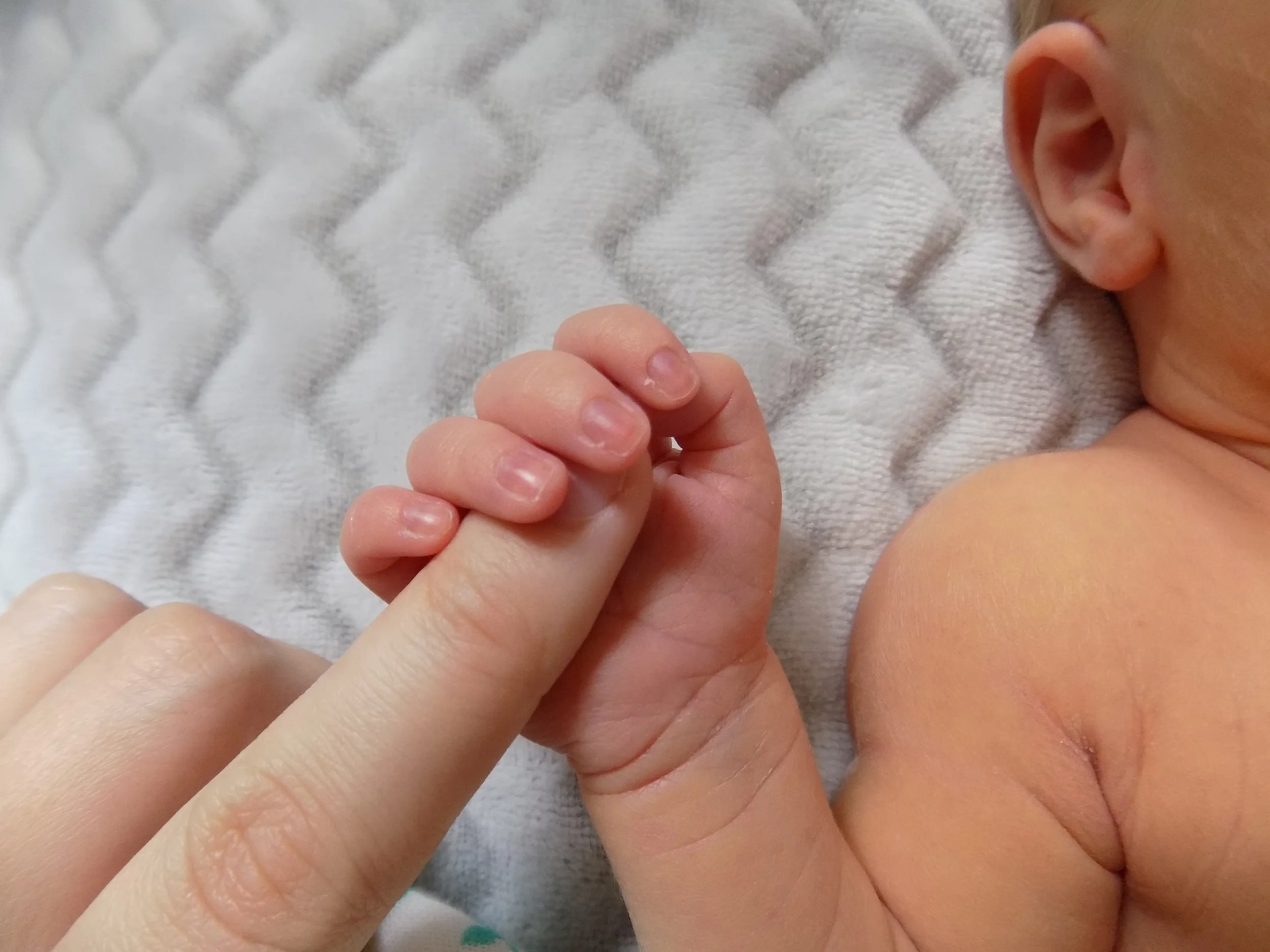
Protecting Your Postpartum-Why You Don’t Owe Anyone Shit
Families here in Asheville often tell me that the biggest challenge after birth is navigating expectations around visitors. Postpartum is a tender, and beautiful time. Filled with not only the new experience of taking care of another human being and bonding with your baby, but also brimming with surges and plummets of hormones and major lifestyle changes (I’m looking at you sleep deprivation.) While you can be overfilled with joy, you can simultaneously be struggling, exhausted and overwhelmed with the once most simple tasks. Yet still new parents are often met with societal or family postpartum expectations. Hosting, entertaining, managing other family member’s feelings or even responding to their messages in a timely manner, I’m here to tell you why that doesn’t matter. What matters is keeping your fourth trimester protected and cared for, and why you don’t owe anyone shit.
The Reality of the Postpartum Period
The postpartum period is not just a recovery window, in a matter of hours after giving birth, you experience one of the most dramatic hormonal shifts in your entire life, all while beginning the enormous work of caring for a newborn.
During pregnancy your body is producing extremely high levels of estrogen and progesterone, which you need to support a healthy baby and healthy mother. But after giving birth, these hormones drop drastically. Like plummet, and your body begins to try and recalibrate. Simultaneously, your other hormones ramp up production like prolactin, and oxytocin. Responsible for milk production, and those feel good bonding emotions. Sound like whip lash? It definitely can be. Mood swings, emotional sensitivity, and feeling extremely overwhelmed are all understandably feasible.
All while hormones are shifting dramatically, your body is healing. Regardless of what route birth took, you are SORE. There is aching, swelling or bruising, possibly stitches. Your pelvic floor is recovering, and overall weakness comes at you like a whirlwind. Even with an uncomplicated vaginal birth, healing can take weeks to months. A cesarean, (definitely not the easy way out and I will fight someone who says otherwise), amps up that healing to encompass a major abdominal surgery , and all the facets that come with that.
Despite this, many mothers feel the pressure to return back to life as it was. Hosting visitors and well intending family members, jumping back to normal activities or maintaining prior engagements, or even just moving around more than they should! Even though they are healing, bonding, and going through a tender transformation.
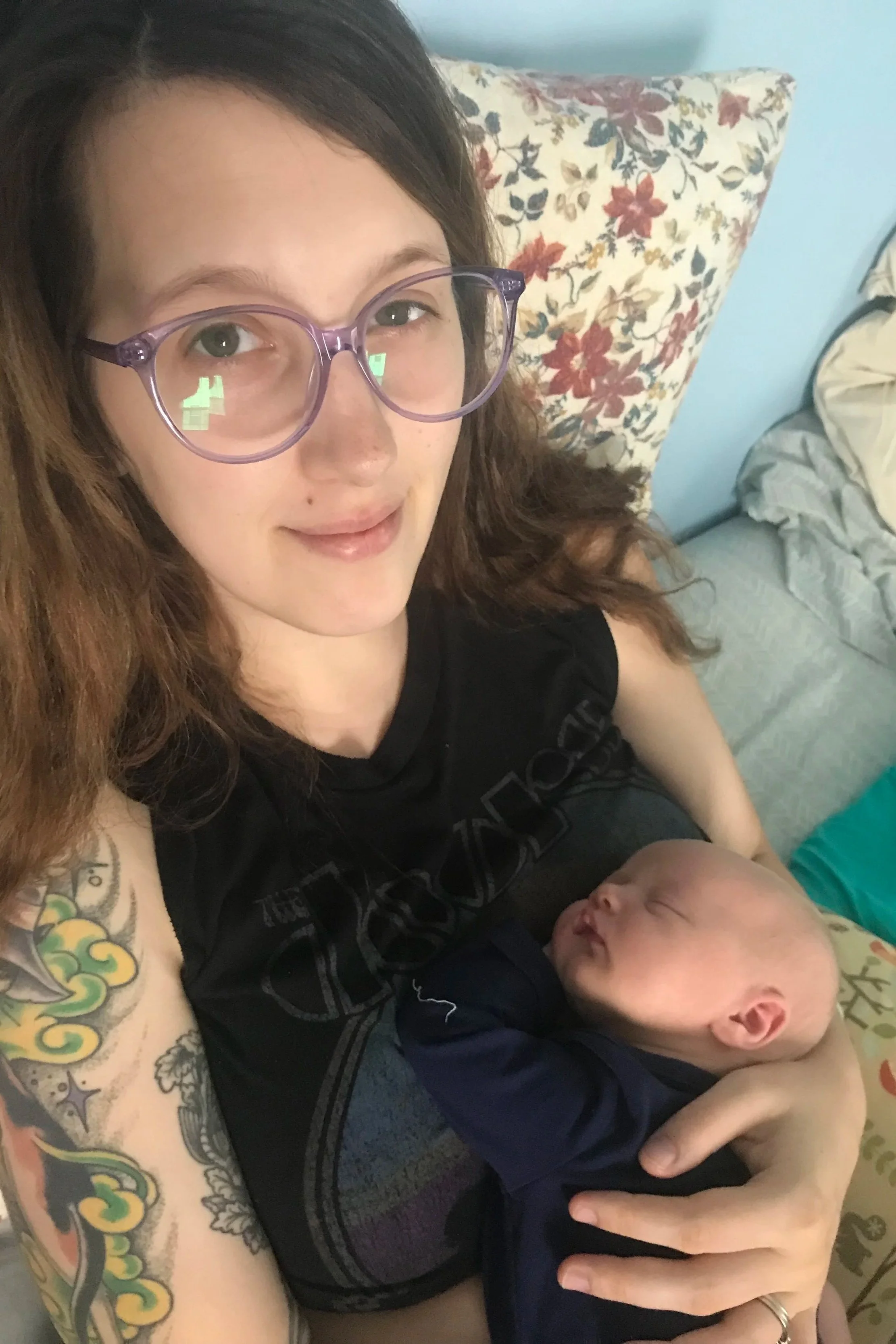
Here I am freshly postpartum, CLEARLY not in any space to be hosting
The Pressure Placed on New Mothers
Beyond the physical recovery and hormonal shifts of postpartum, many mothers are also navigating something far less talked about; the immense societal pressure that arrives with a newborn. For many the post-partum time becomes a heavy new burden of managing an assortment of expectations, from family and friends, cultural norms and of course themselves.
A qualitative study on postpartum support published in Maternal and Child Health Journalshined a light onto how many women report that they struggle to meet basic needs. Sleep, nutrition, personal care, and household tasks no longer are just a part of life, but a complex puzzle the sleep deprived mind is trying to hack. Too often, mothers feel the need to get back to daily life amidst the new and sometimes almost unfathomable physical and mental exhaustion they are now drowning in. And of course, these expectations extend to parenting choices as well. Significant pressure, (but quite often with little support) is placed on breastfeeding. The science on this hasn't seemed to catch up on what any breastfeeding mom can attest to, the stress *guess what* makes breastfeeding harder.
Put simply: many new mothers aren’t just caring for a newborn—they’re also navigating a web of expectations about how they should recover, parent, host, and perform motherhood.
Modern culture often reinforces this pressure. Mothers are expected to:
-welcome visitors quickly after birth
-respond to messages and updates about the baby
-allow others to hold or interact with the newborn
-maintain their household
-make feeding choices that meet social approval
- and, somehow, “bounce back” physically and emotionally!!!
Yet all of this is happening during one of the most vulnerable physiological periods of a woman’s life.

Actual footage of navigating postpartum
The gap between what mothers actually need postpartum—rest, privacy, nourishment, and support—and what society often expects from them can create enormous strain. This is why boundaries during postpartum aren’t selfish.They’re protective. They create the space necessary for healing, bonding, and adjusting to motherhood without the added weight of managing everyone else’s expectations.
You Don’t Owe Anyone Access to Your Postpartum
There is a quiet but powerful cultural expectation that once a baby is born, the doors open. Family members want to visit. Friends want updates. People want to hold the baby, take photos, and share in the excitement.
And while those desires often come from love, they can create an unspoken pressure on new mothers to accommodate everyone else during a time when their own bodies and nervous systems are asking for something very different. When you really think about that statement, it can be heart wrenching. I don’t remember all the people who texted me congratulations, but I remember the *one* friend who brought me a meal and hot coffee.
The truth is that postpartum is not a social event. It is a period of healing, adjustment, and profound physiological change. Your body is recovering from pregnancy and birth. Your hormones are shifting rapidly. Your sleep is fragmented. You and your baby are learning from one another. It can be beautiful, and at the same time be a shit show.
In many cultures around the world, the early postpartum period is intentionally protected. Mothers are encouraged to rest, stay home, and be cared for while they recover and bond with their baby. But in modern Western culture, many mothers feel pressure to do the opposite—hosting visitors, responding to messages, and managing the emotions of those around them.
But becoming a parent does not create a social obligation.
You do not owe anyone access to your baby, your home, or your time during postpartum. Protecting that space is not selfish. It is often one of the most important things a mother can do for her recovery and wellbeing.
Boundaries That Protect Your Postpartum
Setting boundaries after birth is not about pushing people away, it is about creating the conditions that allow you to heal and adjust to life with your baby.
Some boundaries that many families find helpful include:
Limiting visitors in the early weeks
Some parents choose to wait several weeks before hosting guests. Others limit visits to very short windows or only a few trusted people.
Letting your partner or support person manage communication
You should not have to field texts, calls, and scheduling requests while recovering. A partner or trusted person can handle updates and coordinate visits.
Protecting rest time
Postpartum recovery depends heavily on rest. That may mean declining visits during certain times of day or asking visitors to leave when you need to lie down.
Shifting the expectation of visits
Instead of guests coming to “see the baby,” you can frame visits around support, dropping off food, folding laundry, or helping with small household tasks. I always suggest someone set up a friend or family member to walk pets, grab your grocery order, or set up a meal train!
Giving yourself permission to say no
You are allowed to change plans, cancel visits, or delay introductions if you feel overwhelmed. Your needs and your baby’s needs come first. If a loved family member lovingly reaches their arms out, but is sniffling and looking sick, you can say “not this time.” Or you can say “hell no,” I’m not judging.
Boundaries are not about being unkind. They are about creating a postpartum environment where healing, bonding, and adjustment can actually happen.
What Real Postpartum Support Looks Like
Real postpartum support rarely looks like someone sitting on the couch holding the baby while the mother hosts.
Real support lightens the mother’s load.
It looks like someone dropping off a warm meal without expecting to stay.It looks like folding laundry or washing dishes while the mother rests.It looks like protecting the quiet of the home instead of filling it with noise. It looks a lot less of asking, “What do you need?” and a lot more of being aware enough to know that her basic needs are struggling to be met. Be the village, feed her, see her, hear her, help her, hold her.
True support recognizes that postpartum is not a time for the mother to care for everyone else, it is a time for the community around her to care for her. When mothers are given space to rest, heal, and bond with their babies, the entire family benefits. Protecting postpartum is not about shutting people out.
It is about allowing the mother and baby the time they need to begin their life together with care, dignity, and support. So allow yourself to sink into that 4th trimester, snuggle, feel all those feelings, and place that ringer on silent if you need to. Reach out because you want to, you want support, not because you feel societal obligations. You are doing some hard work, but you got this.